OEM parts are made by your vehicle’s original manufacturer and match factory fit, finish, and safety exactly, while aftermarket parts are built by third-party companies and usually cost less. For most collision repairs, OEM is the safest choice for newer or leased cars; quality aftermarket parts can be fine for older vehicles and visible cosmetic panels. You have the right to request OEM parts on your repair.
If your car was just in a collision here in Houston, one of the first decisions that comes up during repair, often before you even see your estimate, is which parts will go back on your vehicle. It is one of the most common questions we hear at Auto1StopShop, and it matters more than most drivers realize. The right parts affect how your car looks, how it holds up, how safely it protects you in the next crash, and what your insurer is willing to pay. This guide breaks down the real differences so you can make a confident, informed choice.
What Are OEM Parts?
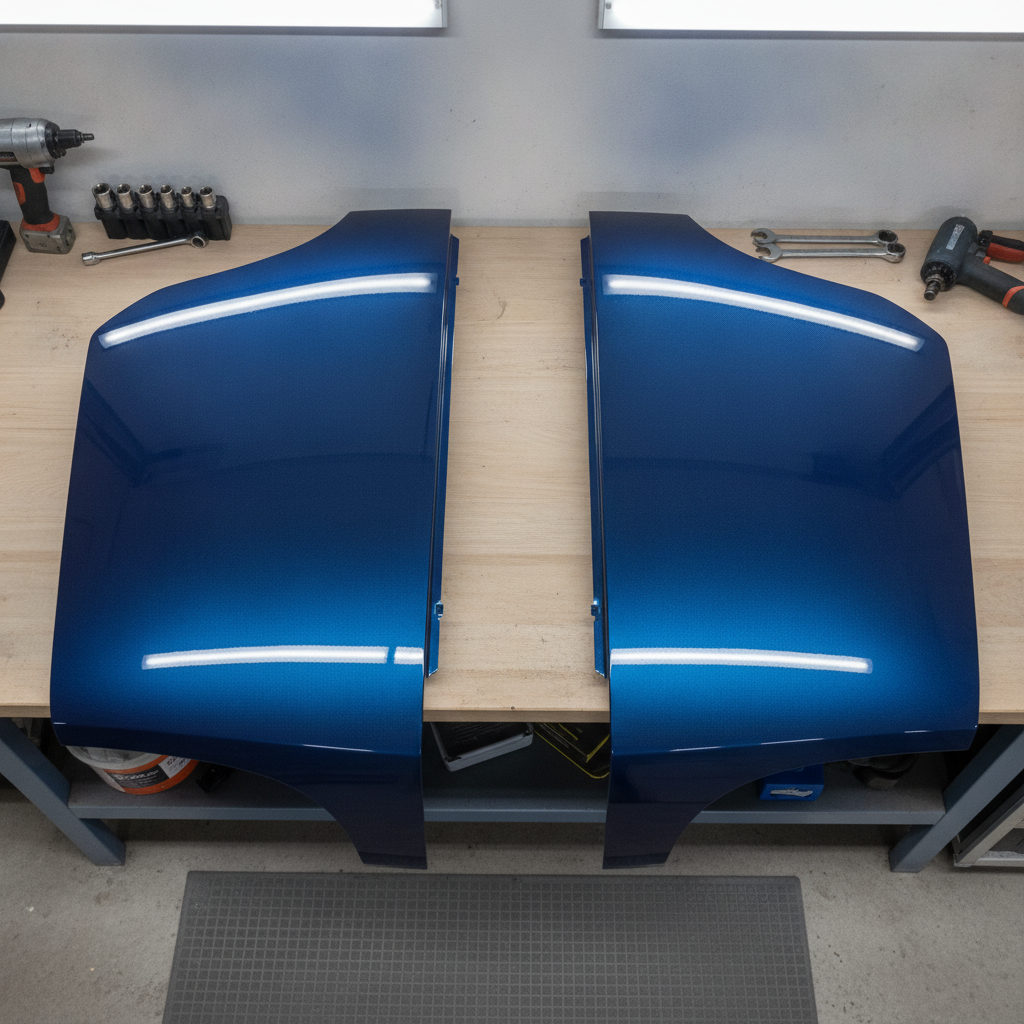
OEM stands for Original Equipment Manufacturer. These are the exact parts your vehicle’s automaker produced (or had produced to its specifications) when the car was built. An OEM bumper cover, fender, or quarter panel is identical to the one that left the factory, down to the metal gauge, mounting points, crumple zones, and paint-matching surface.
- Guaranteed fit: Designed for your specific year, make, and model, so panels line up and gaps stay even.
- Factory safety engineering: Crumple zones and sensor mounts behave exactly as the manufacturer intended.
- Consistent finish: Paint and texture match the rest of your car more predictably.
- Often required: Many manufacturer and lease warranties expect OEM parts.
The trade-off is cost. OEM parts carry the manufacturer’s branding and supply chain, so they are generally the more expensive option on an estimate.
What Are Aftermarket Parts?
Aftermarket parts are made by companies other than your vehicle’s automaker. They are designed to function like the original, and quality varies widely, from excellent reproductions that meet certification standards to cheap stampings that fit poorly. The biggest draw is price: aftermarket panels and bumpers are typically less expensive, which is exactly why insurance companies favor them.
- Lower cost: Usually the cheaper line item, which can lower your out-of-pocket or keep a vehicle from being totaled.
- Wide availability: Often in stock locally, which can speed up repair timelines.
- Variable quality: Certified aftermarket parts can be very good; uncertified ones may need extra fitting and adjustment.
- Common on cosmetic panels: Frequently used for bumpers, fenders, and hoods where structural safety is not the primary concern.
OEM vs Aftermarket Parts: Side-by-Side Comparison
Here is how the two options stack up across the factors Houston drivers ask about most. Cost figures are general ranges only and vary widely by the damage, the specific part, and your vehicle.
| Factor | OEM Parts | Aftermarket Parts |
|---|---|---|
| Cost | Higher (often the most expensive line item) | Lower (commonly 20-50% less, though it varies) |
| Fit & finish | Exact factory fit; gaps and panel lines match | Good to fair; may need extra adjustment |
| Safety engineering | Built to original crash and sensor specs | Varies; certified parts perform better than uncertified |
| Warranty | Backed by manufacturer; preserves factory/lease terms | Backed by the parts maker; terms differ by brand |
| Insurer stance | Sometimes covered, sometimes only with a documented request | Usually the insurer’s default to control cost |
| Best for | Newer, leased, or high-end vehicles; structural parts | Older vehicles; visible cosmetic panels |
| Caveat: All prices are estimates only. Actual cost depends on the part, the extent of damage, and your specific vehicle. Get a free written estimate before deciding. | ||
Which Should You Choose?
There is no single right answer, only the right answer for your car and your situation. Use these guidelines as a starting point, and we will walk you through the specifics during your free estimate.
Lean toward OEM when:
- Your vehicle is newer, leased, or still under manufacturer warranty.
- The damaged part is structural or safety-related, such as parts tied to crumple zones or driver-assist sensors.
- You drive a luxury or specialty vehicle where exact fit and finish matter for value and appearance.
- You are restoring a vehicle and want everything period-correct. Our classic car restoration team can advise on sourcing original parts.
Aftermarket can make sense when:
- Your vehicle is older and you want to keep repair costs reasonable.
- The damage is cosmetic, like a scuffed bumper cover or a dented fender, rather than structural.
- A certified, reputable aftermarket part is available that meets quality standards.
- Choosing aftermarket keeps an older car from being declared a total loss over a repairable issue.
Sometimes the smartest path avoids replacement parts altogether. For minor dings, paintless dent repair restores your original panel without any new part or repaint, and a clean scratch repair can resolve surface damage at a fraction of the cost of panel replacement.
Your Right to Request OEM Parts
This is the part many Houston drivers do not know: you have a say in what goes on your car. While your insurance policy and Texas regulations shape what is covered, you can request OEM parts for your repair. Insurers often default to aftermarket parts to control costs, but that does not mean you have to accept them without question.
- Read your estimate line by line. Parts are usually labeled OEM, aftermarket (A/M), or used/recycled (LKQ). Ask if anything is unclear.
- Ask your insurer directly. Find out whether OEM is covered under your policy or whether you would owe the price difference.
- Put requests in writing. Documenting your preference creates a clear record for everyone involved.
- Lean on your shop. A good body shop will explain the options and advocate for the right repair, not just the cheapest one.
If you are navigating coverage questions, our insurance claim assistance team helps Houston drivers understand their estimates and work with adjusters so you are not left guessing. For the bigger picture on how claims and repairs fit together, our collision and auto body repair page covers the full process from estimate to finished car.
How Auto1StopShop Handles Parts
At our two Houston locations, in Southeast Houston on Moline Street and Midtown on West Dallas Street, we believe parts decisions should be transparent. When you bring your vehicle in, we explain what each part on your estimate is, why we recommend it, and how it affects fit, safety, and cost. We do not push the most expensive option, and we do not quietly install bargain parts you did not ask about.
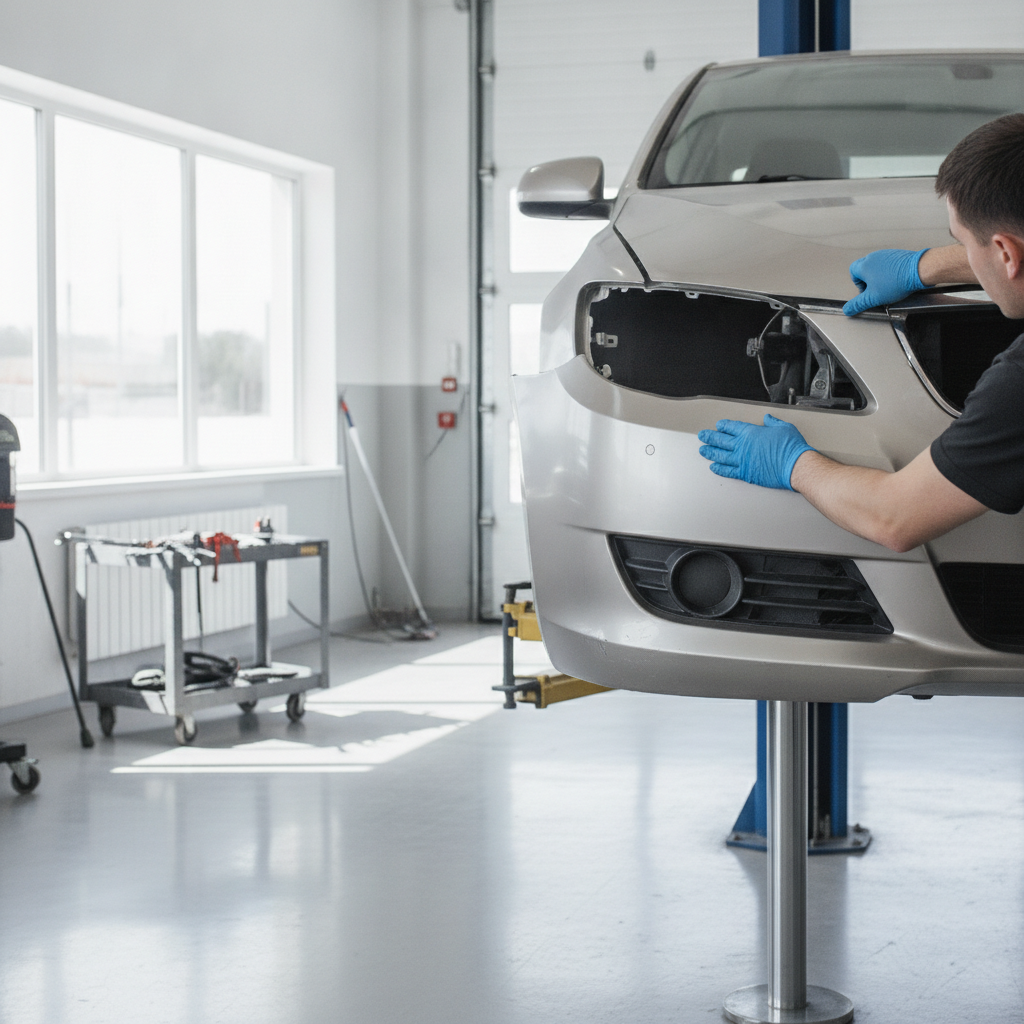
Whether you need bumper repair after a parking-lot tap, full panel replacement after a freeway collision, or a fresh paint job to blend a new part seamlessly, our goal is a repair you can trust. Explore everything we offer on our services page, and reach out whenever you are ready.
Frequently Asked Questions
Are aftermarket parts safe for collision repair?
Quality, certified aftermarket parts can be safe, especially for cosmetic panels like bumpers and fenders. The concern is consistency, since aftermarket quality varies by manufacturer. For structural or safety-related components, OEM parts are generally the safer choice because they are built to your vehicle’s exact factory specifications. We will tell you honestly which option makes sense for your specific repair.
Will my insurance pay for OEM parts?
It depends on your policy. Many insurers default to aftermarket parts to control costs, but some policies cover OEM, and you can request them. If OEM is not fully covered, you may be able to pay the difference. Our insurance claim assistance team can help you understand what your policy allows before you decide.
Do I have the right to request OEM parts?
Yes. You can request OEM parts for your repair. While your insurance coverage determines what is paid for, you are entitled to ask for OEM components and to know exactly what parts are going on your car. We recommend putting your preference in writing so there is a clear record for your shop and insurer.
Will aftermarket parts void my warranty?
Aftermarket parts will not automatically void your vehicle’s overall warranty, but if your car is newer, leased, or under a manufacturer warranty, OEM parts are usually the safer bet to keep those terms intact. Check your warranty paperwork or ask your dealer if you are unsure, and we are happy to talk through your options.
How do I know which parts are on my estimate?
Estimates label parts as OEM, aftermarket (often marked A/M), or used/recycled (often marked LKQ). If anything on your estimate is unclear, ask us to walk you through it line by line. Transparency is part of how we work at both of our Houston shops.
Have questions about parts for your repair? Get a free, no-pressure estimate at either of our Houston locations and we will explain your options clearly. Call (832) 400-5423 today or contact us to schedule. Visit us in Southeast Houston at 8070 Moline St or in Midtown at 1710 W Dallas St.