Houston collision repair is the process of restoring a damaged vehicle’s structure, panels, and finish after an accident. The right shop documents your damage, works directly with your insurer, straightens the frame, replaces or repairs panels, refinishes paint, and recalibrates safety systems. At Auto1StopShop in Houston, estimates are free — call (832) 400-5423 to get started.
A collision is stressful enough without guessing your way through the repair. This guide walks you through every step — from the minutes right after impact to the day you drive away — so you know what to expect, what questions to ask, and how to protect your wallet and your safety. We serve drivers across Houston from two locations, and we keep estimates free and straightforward.
What to Do Right After an Accident in Houston
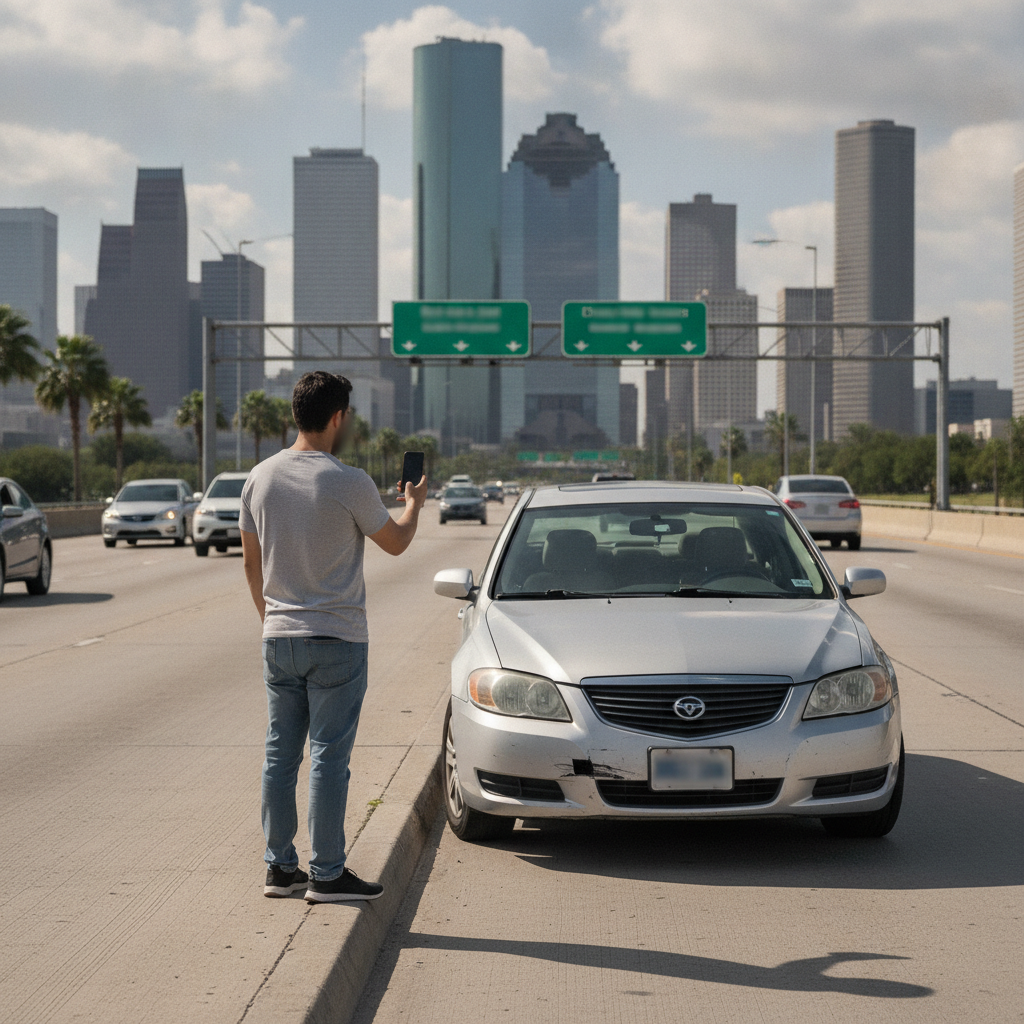
The first few minutes after a crash set the tone for your entire claim. Stay calm and work through these steps in order:
- Check for injuries and get to safety. If anyone is hurt, call 911. If the cars are drivable and you’re on a busy road like the 610 Loop or I-45, move to the shoulder or a nearby lot.
- Call the police. In Houston, a police report is valuable documentation for your insurer, even for minor collisions. Get the report or incident number.
- Exchange information. Trade names, phone numbers, insurance carriers, policy numbers, and license plates with the other driver.
- Document everything. Photograph all vehicles from multiple angles, the damage close-up, the wider scene, street signs, and any skid marks.
- Don’t admit fault. Stick to facts when speaking with the other driver and the police. Fault is determined later.
- Notify your insurance company. Report the accident promptly, even if you think the damage is minor.
One thing many drivers don’t realize: you choose the repair shop, not your insurance company. An insurer may suggest a “preferred” shop, but Texas law lets you take your vehicle wherever you trust. If you’re unsure how the paperwork works, our team can walk you through insurance claim assistance at no cost.
How to Choose a Collision Repair Shop
Not every body shop is the same. A good collision and auto body repair shop combines honest estimates, skilled technicians, and clear communication. Here’s what to look for:
- Free, written estimates. You should never pay to find out what a repair will cost. A reputable shop documents the damage and explains the plan in writing.
- Direct insurance experience. Shops that work with insurers daily can speed up your claim and handle supplements if hidden damage is found.
- Transparency about parts. Ask whether they’ll use OEM (original equipment) or aftermarket parts, and why.
- Modern equipment. Frame straightening and ADAS calibration require specialized tools. Ask if the shop has them.
- Clear communication. You should be able to call and get a real update on your vehicle’s status.
- Local reputation. A shop rooted in the Houston community has a name to protect.
Avoid any shop that pressures you to sign before you understand the work, gives a verbal-only estimate, or won’t explain its parts choices. When in doubt, get a second opinion — it’s your right.
The Collision Repair Process, Step by Step
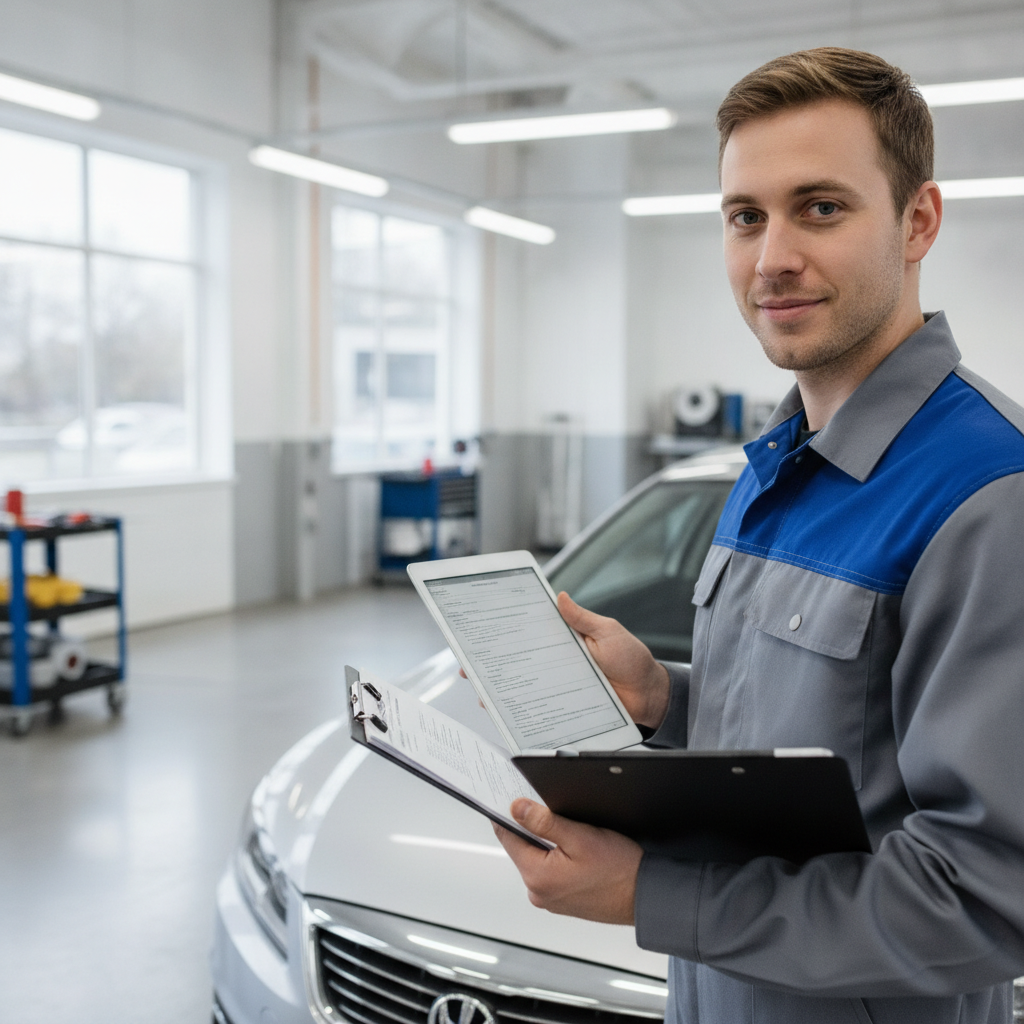
Understanding the workflow removes a lot of the mystery (and anxiety) from the repair. While every job is different, most collision repairs follow the same core sequence. Here’s how a typical repair moves through the shop:
| Step | What Happens | Why It Matters |
|---|---|---|
| 1. Estimate & check-in | Technicians inspect the visible damage and write a detailed estimate. | Sets the scope of work and starts the insurance conversation. |
| 2. Disassembly & full inspection | Panels are removed to reveal hidden structural or mechanical damage. | Catches damage that isn’t visible from the outside; may trigger a supplement. |
| 3. Insurance approval | The shop submits the full estimate (and any supplement) to your insurer. | Confirms what’s covered before major work begins. |
| 4. Structural & frame repair | The frame is measured and straightened back to factory specs. | A true frame is the foundation for safe, proper alignment. |
| 5. Body & panel work | Damaged panels are repaired or replaced; new parts are fitted. | Restores the vehicle’s shape and panel gaps. |
| 6. Paint & refinishing | Surfaces are prepped, primed, color-matched, painted, and cleared. | Blends repairs into the original finish so they disappear. |
| 7. Reassembly & ADAS calibration | Components are reinstalled and safety sensors are recalibrated. | Restores both appearance and modern safety features. |
| 8. Quality control & delivery | A final inspection, cleanup, and walkthrough before you drive away. | Confirms the repair meets standards and looks right. |
For lighter damage, some of these steps are short or skipped entirely. A door ding may only need paintless dent repair, and a curb scuff might just need bumper repair rather than a full panel replacement.
Frame Straightening: The Foundation of a Safe Repair
Your vehicle’s frame (or unibody, on most modern cars) is engineered to absorb crash energy and keep the cabin intact. After a significant collision, even a frame that “looks fine” can be pushed out of spec by a fraction of an inch — enough to cause uneven tire wear, pulling, poor panel fit, and compromised safety in a future crash.
Proper frame straightening uses measuring systems that compare your vehicle against factory specifications, then hydraulic equipment to pull the structure back into tolerance. This is precision work, not brute force. Skipping or shortcutting it is one of the most common ways a cheap repair fails. If your car was hit hard, ask specifically how the shop verifies the frame is true.
ADAS Calibration: Why Modern Cars Need Extra Care
Most vehicles built in the last several years rely on Advanced Driver-Assistance Systems (ADAS) — features like automatic emergency braking, lane-keep assist, blind-spot monitoring, and adaptive cruise control. These systems depend on cameras, radar units, and sensors that are often mounted in the windshield area, grille, bumpers, and mirrors.
Here’s the catch: replacing a bumper, repainting a panel, or realigning the frame can knock those sensors out of alignment. When that happens, the system needs to be recalibrated so it “sees” the road correctly again. A bumper sensor that’s off by even a small angle can misjudge distance. Calibration isn’t optional on these vehicles — it’s part of returning the car to safe operating condition.
When you get an estimate, ask whether your vehicle requires ADAS calibration after the repair. It’s a normal, expected part of modern collision work, and it should be documented.
OEM vs. Aftermarket Parts: What’s the Difference?
One of the biggest decisions in any collision repair is which parts go on your car. Here’s the plain-English breakdown:
- OEM (Original Equipment Manufacturer) parts are made by — or for — your vehicle’s manufacturer. They match factory fit, finish, and safety specifications exactly. They typically cost more.
- Aftermarket parts are made by third-party companies. Quality ranges widely. Some are excellent and significantly cheaper; others may have slightly different fit or finish.
Insurance policies often default to aftermarket or used parts to control cost, but you have a say in the conversation. For visible panels and safety-critical components, many drivers prefer OEM. For minor brackets and trim, quality aftermarket parts can be a sensible savings. The right shop will explain the trade-offs for your vehicle rather than pushing one option blindly. We’ll always tell you what we’re proposing and why.
How Long Does Collision Repair Take?
Timelines depend on the severity of the damage, parts availability, and how quickly your insurer approves the work. As a rough guide:
- Minor cosmetic work (a small dent, a scuffed bumper, a scratch repair): often a day or a few days.
- Moderate damage (multiple panels, paint blending): typically several days to a couple of weeks.
- Major structural repair (frame work, extensive parts, ADAS calibration): can run two weeks or more, especially if parts are back-ordered.
Two things stretch timelines the most: hidden damage found during disassembly (which requires a supplement and re-approval) and parts delays. A shop that keeps you updated through both is worth a lot. We give realistic timelines up front and tell you the moment something changes.
Houston Collision Repair Cost Ranges
Everyone wants a number, and we get it. The honest answer is that collision repair cost depends heavily on the vehicle, the severity, the parts chosen, and the paint involved. The ranges below are general estimates to set expectations only — your actual price comes from a free, written estimate on your specific car.
| Type of Repair | Typical Range | What Drives the Price |
|---|---|---|
| Minor dent / paintless dent repair | Lower end | Size and location of the dent; whether paint is intact. |
| Scratch & scuff repair | Lower end | Depth of the scratch; how much paint blending is needed. |
| Bumper repair or replacement | Low to mid | Repair vs. replace; sensors/ADAS; paint match. |
| Single panel repair & paint | Mid | Panel type, paint color/finish, blending into adjacent panels. |
| Multi-panel collision repair | Mid to high | Number of panels, parts, labor hours. |
| Structural / frame repair | High | Frame straightening, replacement parts, ADAS calibration. |
| Caveat: All figures are general ranges only and vary by damage, vehicle, and parts. Auto1StopShop does not quote exact prices without inspecting your vehicle. Get a free estimate for an accurate number. | ||
If insurance is covering the repair, your out-of-pocket cost is usually limited to your deductible. We can help you understand how that works during your claim.
Related Repairs and Services
Collision damage comes in many forms, and not every job needs the full process above. Depending on what happened, you might be looking at:
- Dent repair for impacts that creased a panel.
- Car painting and refinishing to restore color and protect the metal.
- Classic car restoration for older vehicles that need specialized care.
- Full-service auto body services when the damage spans several areas.
Not sure which category fits? That’s exactly what a free estimate is for. Bring the car in and we’ll tell you straight.
Why Houston Drivers Choose Auto1StopShop
We’re a local Houston shop, and we treat your vehicle the way we’d want ours treated. That means free estimates, honest recommendations on parts and process, direct work with your insurer, and clear updates so you’re never left wondering. We handle everything from a quick dent to full collision and frame repair across two convenient locations.
- Southeast Houston: 8070 Moline St, Houston, TX 77087
- Midtown Houston: 1710 W Dallas St, Houston, TX 77019
Both shops can be reached at (832) 400-5423. You can also contact us to schedule your free estimate or ask a question about your repair.
Frequently Asked Questions
Do I have to use the repair shop my insurance recommends?
No. In Texas, you have the right to choose where your vehicle is repaired. Your insurer may suggest a preferred shop, but the decision is yours. You can bring your car to any shop you trust, including Auto1StopShop, and we’ll work directly with your insurance company on the claim.
Is the estimate really free?
Yes. We provide free, written estimates at both of our Houston locations. You’ll never pay just to find out what your repair involves or what it’s likely to cost.
How long will my collision repair take?
It depends on the damage. Minor cosmetic work can be done in a day or a few days, while major structural repairs with frame work and ADAS calibration can take two weeks or more — especially if parts are back-ordered. We give you a realistic timeline up front and update you if anything changes.
What’s the difference between OEM and aftermarket parts?
OEM parts are made by or for your vehicle’s manufacturer and match factory specs exactly, usually at a higher cost. Aftermarket parts are made by third parties and vary in quality and price. We’ll explain which we recommend for your specific repair and why, so you can decide with full information.
My car still drives fine after a crash — do I really need a body shop?
Often, yes. A vehicle can drive normally while having hidden frame or structural damage that affects safety, alignment, and the way it protects you in a future accident. A proper inspection catches what you can’t see. Getting a free estimate is the safest way to know for sure.
Does collision repair include ADAS calibration?
If your vehicle has driver-assistance features (like automatic braking or lane-keep assist) and the repair affects the related sensors, then yes — recalibration is part of returning the car to safe operating condition. We’ll let you know if your vehicle requires it.
Ready to get back on the road? Get a free, no-pressure estimate from a Houston shop that tells it straight. Call Auto1StopShop today at (832) 400-5423 or contact us to schedule at either our Southeast Houston or Midtown location.