Finding the best auto body shop near Southeast Houston and the Hobby Airport area requires evaluating a facility’s experience, repair processes, and commitment to safe collision repair. To choose the right shop, prioritize transparency in estimates, proper structural repair methods, and a clear understanding of your insurance rights as a Texas driver. Avoid shops that cut corners on safety.
Navigating Collision Repair in Southeast Houston
Southeast Houston is a bustling, high-volume traffic corridor. Drivers commuting near William P. Hobby Airport, navigating the complex interchanges of the Gulf Freeway (I-45), or traveling along the fast-paced Sam Houston Tollway face heavy, congested driving conditions every single day. With this intense traffic volume comes a significantly increased risk of fender benders, severe rear-end collisions, and major multi-vehicle accidents. Choosing the right auto body shop Southeast Houston residents can trust means finding a repair facility that truly understands the unique wear, tear, and severe collision patterns of our local roadways.
Whether your vehicle was sideswiped in an airport parking lot, suffered hail damage during a sudden Gulf Coast storm, or sustained major structural damage in a multi-car pileup on the Beltway, understanding how to objectively evaluate an auto body repair facility is a crucial skill. To better understand the local risks that lead to these accidents, you can review data on Houston collision hotspots and high-risk intersections. However, once the accident has already occurred, your primary priority immediately shifts from accident prevention to professional vehicle restoration.
Key Factors in Choosing an Auto Body Facility
Not all collision centers operate with the same standards, invest in the same equipment, or follow the same repair philosophies. When you are searching for a reliable facility to restore your vehicle to its pre-accident condition, you must consider these crucial operational factors before handing over your keys.
Advanced Structural and Frame Repair Capabilities
Modern vehicles are highly advanced machines designed with complex crumple zones. These specific areas of the vehicle are meant to intentionally crush and absorb the kinetic energy of a crash, thereby protecting the driver and passengers inside the cabin. A moderate to severe collision almost always compromises this inner framework. When evaluating a local auto body shop, ask about their specific approach to structural realignment. The shop should utilize computerized measuring systems that compare your vehicle’s current post-crash dimensions to the manufacturer’s exact factory specifications. If you are curious about the technical side of this critical procedure, you can read more about how frame straightening works to ensure a vehicle’s structural integrity is fully restored.
Paint Matching Technology and Finishing
A very common fear after an accident is that the repaired section of the car will look mismatched, resembling a patchwork quilt rather than a uniform vehicle. High-quality collision centers utilize sophisticated computerized spectrophotometers. This technology scans and analyzes your car’s existing exterior paint, accounting for subtle factory color variations and the inevitable sun fading caused by parking under the harsh Texas sun. Proper blending techniques into the adjacent undamaged panels are strictly required to trick the eye. For a more in-depth look at this artistic and scientific process, learn about getting an invisible paint repair.
Shop Independence and Insurance Relationships
Following an accident, many drivers are actively steered toward specific auto body shops by their insurance carriers. These facilities are known as Direct Repair Programs (DRPs). While these shops offer a convenient, streamlined process, you always maintain the legal right to choose your own repair facility. Independent shops work directly for you, the vehicle owner, rather than prioritizing the insurance company’s cost-saving metrics. Understanding the difference between DRP shops and independent body shops is a critical step in advocating for a safe, thorough, and proper repair. Furthermore, it is beneficial to review consumer protections and your rights on the Texas Department of Insurance website.
What Collision Repair Services Actually Include (and Exclude)
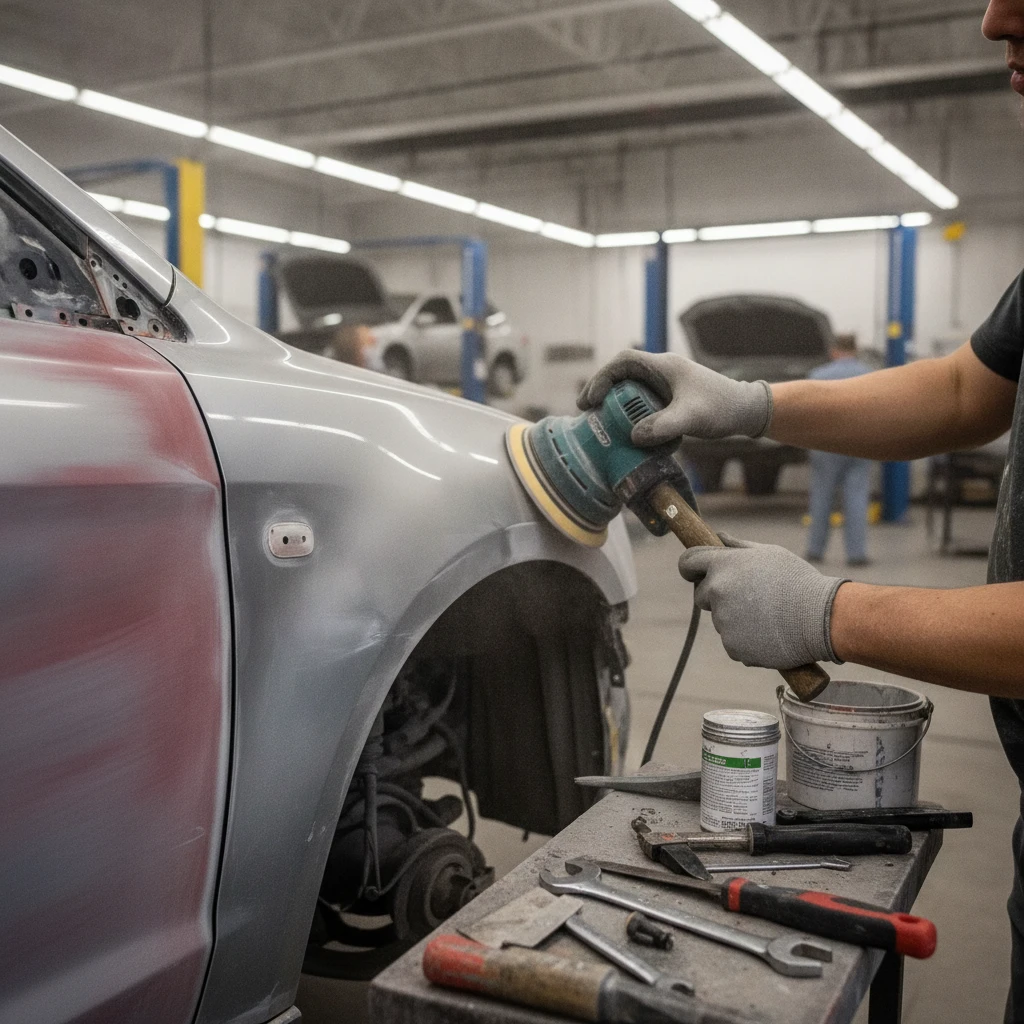
When you search for an auto body shop near Southeast Houston, it is vital to explicitly know the difference between specialized collision repair and general automotive maintenance. Collision repair focuses entirely on the body, frame, cosmetic, and exterior restoration of a vehicle after an accident or severe weather event.
Core Auto Body Services
- Heavy collision and comprehensive structural repair
- Computerized frame measurement and straightening
- Dent, ding, and sharp crease removal
- Bumper repair, reshaping, and plastic welding
- Exterior panel replacement and precision alignment
- Automotive painting, computerized color matching, and clear coat application
Excluded Mechanical Services
Please note that a dedicated, specialized auto body shop does not typically perform general mechanical upkeep or routine maintenance. When you visit a collision center for accident damage, you should not expect them to handle excluded services such as:
- Auto glass repair or full windshield replacement
- Engine diagnostics, tuning, or complete rebuilding
- Transmission repair, maintenance, or replacement
- Brake pad, caliper, and rotor replacements
- Tire sales, tire mounting, or wheel balancing
- Routine oil changes or preventative fluid flushes
Evaluating Replacement Parts: A Comparison Guide
During the auto body estimating process, the specific type of parts used to repair your vehicle will become a major point of discussion between the repair facility and your assigned insurance adjuster. Insurers often push for cost-effective, third-party alternatives to keep claim payouts low, while collision repair experts generally prefer parts made directly by the original auto manufacturer to ensure proper fitment and maintain original crash safety ratings. Here is a breakdown of the typical auto body part categories you will encounter.
| Part Type | Definition | Primary Advantages | Primary Disadvantages |
|---|---|---|---|
| OEM (Original Equipment Manufacturer) | Parts manufactured directly by your vehicle’s original maker (e.g., Ford, Toyota, Honda, Chevrolet). | Exact vehicle fit, maintains original crash-test ratings, keeps the vehicle up to factory standard. | Generally the most expensive option; insurance companies frequently resist paying for them. |
| Aftermarket | Parts manufactured by independent, third-party companies, not the vehicle’s original maker. | Significantly lower cost, highly available in the supply chain. | Fitment issues often occur; material strength may not perfectly match OEM safety standards. |
| LKQ / Salvage (Like Kind and Quality) | Used, original OEM parts recovered from total-loss or salvage vehicles of the exact same make and model. | Genuine factory-made part; environmentally friendly recycling; generally cost-effective. | May have minor pre-existing wear and tear or require extra labor/prep work before final painting. |
The Auto Body Repair Process: Step-by-Step
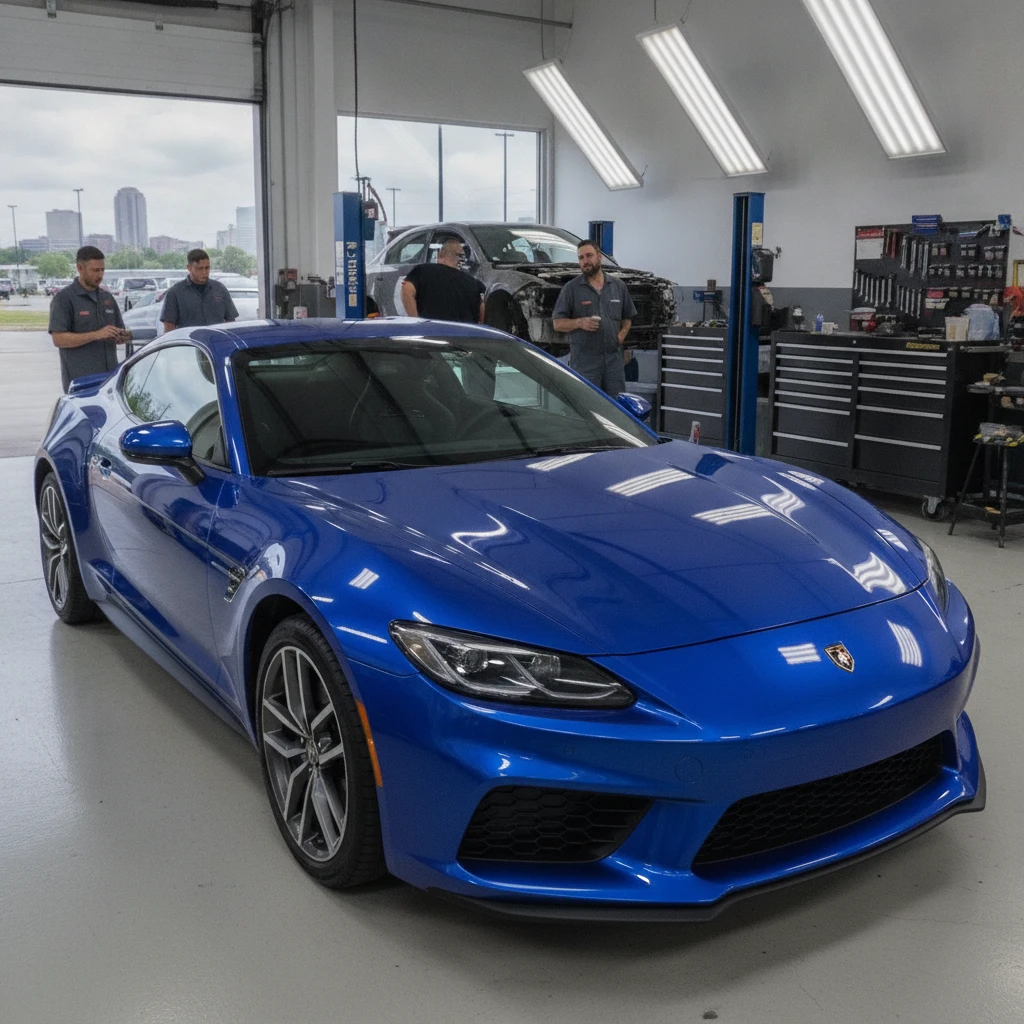
A reputable auto body shop Southeast Houston drivers trust will follow a strict, systematic, and documented process to ensure absolutely nothing is missed during the repair cycle. If a shop seems disorganized, refuses to answer questions, or rushes through the explanation of their repair workflow, consider it a serious red flag. Here is what you should expect from a professional, high-level collision center.
- Initial Estimate and Vehicle Drop-Off: The shop formally assesses the visible damage to the exterior and generates a preliminary estimate. Remember, this document is merely a starting point based solely on what can be seen from the outside of the car.
- Vehicle Teardown and Discovery: Skilled technicians carefully dismantle the damaged area (removing cracked bumpers, bent fenders, and broken headlights) to reveal hidden structural damage or broken underlying mechanical components.
- The Supplement Process: If hidden damage is uncovered during the teardown, the shop files a formal “supplement” with the insurance company. This requests the necessary additional funds for a complete, safe repair. This step is highly common in complex modern collisions.
- Structural and Frame Repair: Long before any cosmetic or paint work begins, the vehicle’s underlying frame or unibody structure is precisely measured and mechanically pulled back to exact factory specifications.
- Body Work and Panel Fitting: Damaged metal panels are either meticulously repaired using professional body hammers, dollies, and specialized fillers, or they are completely replaced. Brand new panels are carefully test-fitted to ensure even, uniform gaps across the vehicle.
- Paint Preparation and Refinishing: The vehicle is moved to a specialized preparation station. It is sanded, primed, and sealed. Next, it moves into a ventilated downdraft paint booth where the base coat (the actual color) and the clear coat (the protective layer) are meticulously applied and baked to a hard, durable finish.
- Reassembly and Quality Control: The vehicle is carefully put back together. The shop will perform a rigorous final inspection, checking panel gaps, paint texture, and ensuring all repaired electrical components (like headlights, parking sensors, and backup cameras) function exactly as they should.
Frequently Asked Questions (FAQ) About Southeast Houston Collision Repair
Do I have to use the auto body shop my insurance company recommends?
No. Under Texas law, you have the absolute legal right to choose the collision repair facility where your vehicle is repaired. Insurance companies may strongly suggest or heavily market their “preferred network” shops, but they cannot legally force, coerce, or mandate you to use them.
Why is the auto body shop’s estimate higher than my insurance adjuster’s estimate?
Insurance adjusters almost always write their initial estimates based strictly on visible, exterior damage, sometimes utilizing lower-cost aftermarket parts in their calculations to lower the claim cost. A professional auto body shop writes an estimate based on the actual requirements for a safe, proper repair. This often includes critical hidden damage found during the teardown process and mandatory procedures outlined by the vehicle manufacturer.
How long will my collision repair take?
Repair timelines vary drastically based on the overall severity of the accident damage, current parts availability in the supply chain, and the speed of insurance supplement approvals. A minor bumper scrape repair might only take a few days, while major structural frame damage requiring extensive parts orders and insurance supplements can take several weeks. A professional shop will provide ongoing, transparent communication throughout the entire process.
Does auto body repair impact vehicle safety?
Absolutely. Auto body repair is not just about making the car look shiny and new again. Improper structural welds, completely missed frame damage, or utilizing incorrect aftermarket materials can severely compromise how a vehicle performs and protects you in a subsequent crash. This is why choosing a shop heavily focused on following original manufacturer repair procedures is vastly more important than simply finding the fastest turnaround time. Safety should never be compromised for speed. For more details on national vehicle safety standards, you can visit the National Highway Traffic Safety Administration (NHTSA).
Choosing the Right Partner for Your Vehicle’s Restoration
Getting into a car accident near Southeast Houston, the Hobby area, or anywhere along the Gulf Freeway is stressful enough without having to worry if your chosen repair facility is cutting corners behind closed doors. By prioritizing auto body shops that are entirely transparent about their workflows, use proper structural measuring tools, advocate strongly for high-quality replacement parts, and respect your absolute right to choose your repairer, you can navigate the post-accident chaos with much greater confidence. Always ask questions, review their estimate line-by-line, and ensure they prioritize your long-term safety over the insurance company’s short-term preferences.
If you have been involved in an accident and are searching for a reliable auto body shop Southeast Houston residents depend on, we are here to help guide you through the complexities of the repair process. Do not settle for subpar cosmetic repairs or confusing, low-ball insurance estimates. Reach out to our dedicated team today by calling (832) 400-5423 to discuss your collision repair needs and get your vehicle safely back on the road.