Finding a top rated collision repair shop Harris County drivers can trust means looking for a facility dedicated to precise auto body restoration, seamless paint matching, and expert insurance guidance. A reputable shop prioritizes your vehicle’s structural integrity and aesthetic appeal, ensuring extensive collision damage and cosmetic issues are addressed with rigorous attention to detail.
Navigating the Complexities of Collision Repair in Harris County
Harris County features some of the busiest highways and intersections in the state of Texas. Because of the sheer volume of daily commuters, fender benders, sideswipes, and severe collisions are an unfortunate reality. When a vehicle sustains significant body damage, the aftermath can be incredibly stressful for the owner. From coordinating towing to figuring out what to do after a car accident in Houston, the logistical challenges pile up quickly.
Choosing the right auto body facility is one of the most important decisions you will make during this stressful period. A dedicated collision center focuses strictly on restoring the exterior panels, inner structural framework, and factory paint finish of your vehicle. The goal is to safely restore the vehicle’s aesthetic and structural condition to its pre-accident state, ensuring that the crumple zones and safety frameworks function exactly as intended by the manufacturer.
What Does a Dedicated Auto Body Repair Shop Actually Do?
Many drivers misunderstand the specific role of a collision center, often confusing it with a general mechanic shop. A top-tier auto body facility specializes entirely in the exterior and structural restoration of a vehicle after an impact or weather event. This includes straightening bent frames, replacing crushed quarter panels, repairing deeply scratched doors, and expertly blending custom paint colors so the repaired area matches the rest of the car perfectly.
It is equally important to understand what a collision repair shop does not do. Auto body repair is a highly specialized field that is completely distinct from standard mechanical maintenance. As such, these facilities focus exclusively on the body and frame. Services such as windshield and auto glass replacement, routine oil changes, tire rotations and alignments, brake pad replacements, engine diagnostics and overhauls, and transmission repairs are strictly excluded from the standard auto body scope of work. While an accident might cause damage to these mechanical components, dedicated body shops will typically focus solely on the exterior restoration, leaving mechanical repairs to separate, specialized mechanic shops.
Decoding the Auto Body Repair Process Step-by-Step
When you drop your vehicle off at an auto body shop, it enters a highly orchestrated workflow designed to uncover all hidden damage and ensure a methodical restoration. Understanding this process can help alleviate the anxiety of waiting for your car to be finished.
- Initial Inspection and Teardown: The process begins with a preliminary visual inspection. However, because modern vehicles are covered in plastic fascias and bumper covers, much of the collision damage is hidden underneath. The shop will carefully remove damaged panels to reveal the underlying structure.
- The Supplement Process: Once the hidden damage is exposed, the initial estimate provided by the insurance adjuster is rarely sufficient. The body shop will document the newly discovered damage and submit a request for additional funds. If you have ever wondered what is a supplement on an insurance estimate, this exact scenario—finding hidden structural damage after teardown—is precisely why supplements are a standard part of the industry.
- Structural and Frame Repair: If the inner framework of the vehicle is compromised, it must be addressed first. Specialized measuring systems are used to pull and straighten the frame back to factory specifications. This ensures the vehicle will drive straight and that safety crumple zones are fully intact.
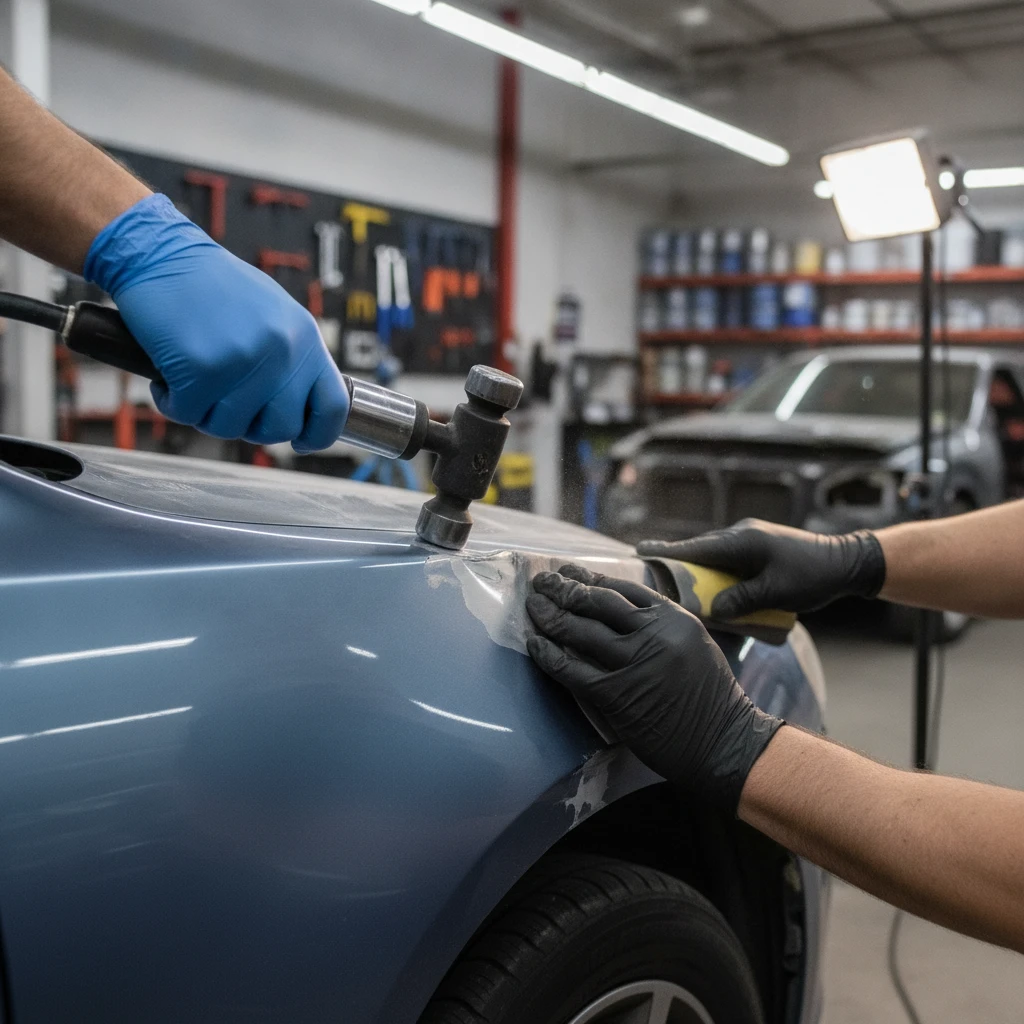
- Body Panel Replacement and Preparation: Damaged panels that cannot be safely hammered out or repaired are replaced. The new panels are then sanded, primed, and prepared for the paint booth.
- Painting and Blending: Painting a car is a delicate science. Technicians mix base coats to match the exact factory color code, accounting for any natural fading that has occurred over time. The paint is then carefully blended into the adjacent, undamaged panels to ensure a seamless color transition, followed by a protective clear coat.
- Reassembly and Quality Control: Finally, the vehicle is reassembled. Badges, trim pieces, and grilles are reattached. The shop will then conduct a final inspection to ensure the panel gaps are even and the paint finish is smooth.
Protecting Your Rights During Texas Insurance Claims
Dealing with insurance adjusters can be just as complex as the physical repair of the vehicle itself. In the state of Texas, drivers have specific rights when it comes to auto insurance claims. One of the most critical rights is the freedom to choose your own repair facility. While an insurance company may strongly suggest or provide a list of their preferred direct-repair network shops, they cannot legally force you to use them.
Understanding Texas car insurance claims for auto body repair is vital to ensuring your vehicle is repaired correctly. You have the right to seek out an independent, high-quality collision center that works for you, rather than for the insurance company. If you are ever in doubt about your rights regarding steering or claims practices, resources from the Texas Department of Insurance (TDI) can provide valuable consumer protection information.
The Debate: OEM vs. Aftermarket Parts
During the estimating process, a major point of discussion often revolves around the type of replacement parts that will be used on your vehicle. Original Equipment Manufacturer (OEM) parts are made by the same company that built your car, ensuring an exact fit and finish. Aftermarket parts are produced by third-party manufacturers.
Insurance policies dictate which type of parts they are willing to pay for. Many standard policies default to aftermarket or recycled components to keep costs down. A diligent auto body shop will review your estimate carefully, advocating for OEM parts when aftermarket alternatives present safety or fitment issues, though the final approval always rests with the parameters of your specific insurance policy.
Battling Harris County Weather: Hail and Storm Damage
Auto body damage in Harris County isn’t limited to traffic accidents. The region is notorious for severe weather, including sudden, aggressive hailstorms that can cause devastating cosmetic damage to a vehicle in a matter of minutes. Hailstones can leave a car completely covered in hundreds of tiny dents, destroying the smooth reflection of the factory paint job.
Many drivers are unsure if their policies will cover these acts of nature. Figuring out if is hail damage covered by insurance in Texas usually depends on whether you carry comprehensive coverage on your auto policy. If covered, skilled collision repair technicians can often utilize specialized techniques to massage the dents out from behind the panel, preserving the original paint. For more severe hailstorms where the paint is cracked or compromised, traditional body filler and repainting methods will be required to restore the exterior.
Comparing Services: Auto Body vs. Mechanical Maintenance
To help clarify the specific focus of a collision center, the table below outlines the differences between standard auto body repair services and the mechanical services that are strictly excluded from a body shop’s daily operations.
| Included Auto Body & Collision Services | Excluded Mechanical & Maintenance Services |
|---|---|
| Frame straightening and structural measurement | Engine repairs and diagnostic troubleshooting |
| Dent removal and exterior panel replacement | Transmission service and replacement |
| Bumper cover repair and refinishing | Brake pad, rotor, and caliper replacement |
| Automotive painting and clear coat blending | Routine oil changes and fluid flushes |
| Cosmetic scratch and scrape removal | Tire mounting, balancing, and alignments |
| Hail damage exterior restoration | Auto glass and windshield replacement |
Frequently Asked Questions About Collision Repair in Harris County
How long will it take to repair my vehicle?
The timeline for collision repair varies wildly depending on the severity of the damage, parts availability, and the speed at which the insurance company processes supplements. A minor bumper scrape might take a few days, while heavy structural damage requiring a full frame pull and multiple replacement panels can take several weeks. A reputable shop will keep you updated throughout the teardown and supplement phases so you can plan accordingly.
Do I have to get three different estimates for my insurance company?
No. This is a common misconception. In Texas, you are not legally required to drive around collecting multiple estimates. You simply need to select the repair facility you trust, drop off your vehicle, and inform your insurance company where it is located. The shop will then handle the negotiations and supplement submissions directly with the insurance adjuster on your behalf.
Will my car ever be the same after a major collision?
Modern auto body repair relies on highly advanced measuring systems and computerized paint matching technology. While a vehicle that has sustained damage has inherently been altered, professional collision centers utilize meticulous techniques to restore the physical appearance and structural integrity. Safety guidelines, such as those researched by the National Highway Traffic Safety Administration (NHTSA), emphasize the importance of proper structural repair to ensure crumple zones protect occupants in the future.
Can you fix my brakes or change my oil while my car is in the shop for bodywork?
No. As highlighted previously, auto body repair is exclusively focused on the exterior panels, frame, and paint. Mechanical maintenance such as brake jobs, oil changes, tire rotations, and engine work require different specialized equipment and expertise. These services are strictly excluded from the operations of a dedicated collision repair facility.
When you are dealing with the aftermath of an accident, having the right team in your corner makes all the difference. Navigating insurance claims, sourcing the correct parts, and ensuring precise structural restoration requires an experienced, dedicated approach. If you are searching for a top rated collision repair shop in Harris County to restore your vehicle’s exterior and guide you through the auto body repair process, reach out for professional assistance today. Contact our team at (832) 400-5423 to schedule your initial consultation and take the first step toward getting your vehicle back to its pre-accident condition.